Introduction
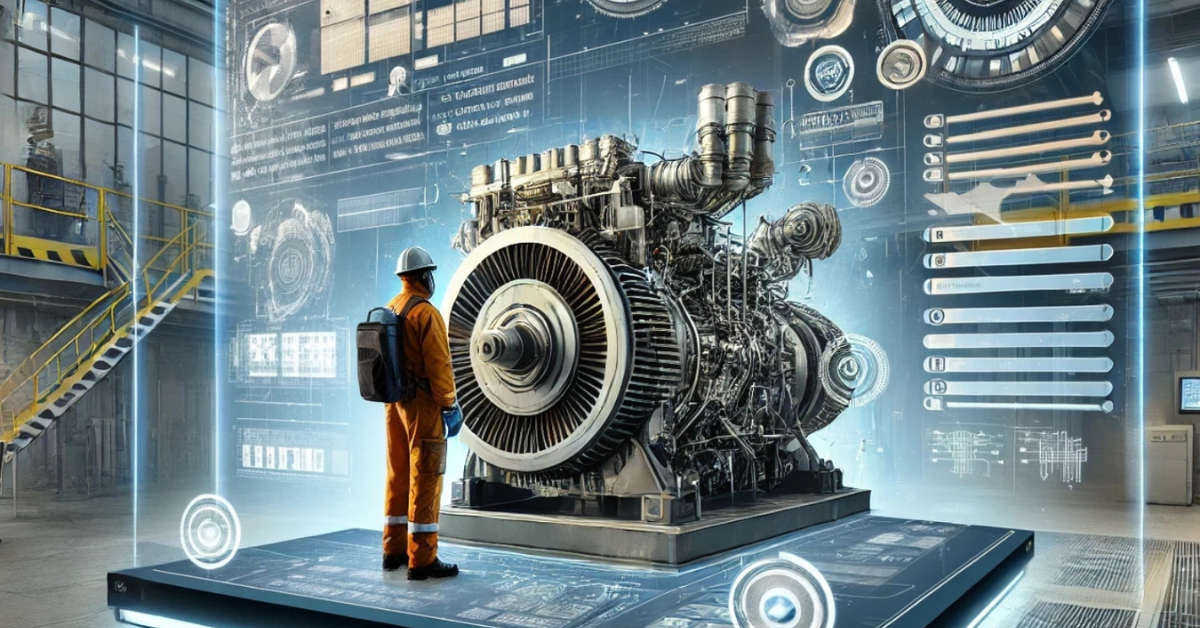
Generators are crucial for power generation, industrial operations, and emergency backup systems. For DET (Design, Engineering, and Technology) engineers, understanding generator design and maintenance is essential for ensuring efficiency, reliability, and long-term functionality.
This blog explores key aspects of generator design, standard maintenance practices, and essential best practices to help DET engineers optimize generator performance.
1. The Basics of Generator Design
A generator is designed to convert mechanical energy into electrical energy using electromagnetic induction. Its efficiency depends on its core components and design considerations.
a. Key Components of a Generator
Prime Mover: Converts fuel (diesel, gas, steam, or renewables) into mechanical energy.
Rotor & Stator: The rotor (moving part) creates a magnetic field, while the stator (stationary part) generates electricity.
Excitation System: Regulates voltage and maintains generator stability.
Control Panel: Monitors parameters like voltage, frequency, and load.
Cooling & Lubrication System: Prevents overheating and reduces wear on moving parts.
b. Types of Generators
- Diesel Generators: Reliable for backup power and industrial applications.
- Gas Turbine Generators: These are used in large-scale power plants for their high efficiency.
- Hydroelectric Generators: Convert water flow into electrical energy for sustainable power.
- Portable Generators: Used for temporary or emergency power supply.
Understanding these types helps DET engineers design and select the right generator for different applications.
2. Essential Generator Maintenance Practices
Regular maintenance is critical to maximizing efficiency, preventing failures, and extending the lifespan of a generator. DET engineers must implement proactive maintenance strategies to avoid costly breakdowns.
a. Routine Inspections
Check for fuel leaks, worn-out wiring, and loose connections.
Inspect cooling and lubrication systems for proper function.
Monitor battery health to ensure smooth startup operation.
b. Load Testing & Performance Monitoring
Conduct load bank tests to verify if the generator can handle expected loads.
Monitor voltage and frequency stability under different operating conditions.
SCADA or IoT-based systems are used for real-time performance tracking.
c. Fuel System Maintenance
Prevent fuel contamination by regularly draining water and sediment.
Replace fuel filters periodically to maintain efficiency.
Use stabilizers for long-term fuel storage in backup generators.
d. Cooling System & Exhaust Checks
Ensure coolant levels are adequate and check for blockages.
Inspect radiators and airflow systems to prevent overheating.
Keep exhaust systems clean to avoid backpressure and emissions issues.
3. Best Practices for DET Engineers in Generator Design & Maintenance
a. Optimize Efficiency with Smart Controls
- Use automated load management systems to balance power distribution.
- Implement energy-efficient components to reduce fuel consumption.
b. Improve Durability with Predictive Maintenance
- Utilize vibration analysis and thermographic inspections to detect faults early.
- Integrate AI-driven diagnostics for real-time failure predictions.
c. Ensure Compliance with Safety & Environmental Standards
- Follow ISO, OSHA, and EPA regulations for emissions and safety.
- Use low-emission fuel options for sustainable power generation.
Conclusion
DET engineers must understand generator design and maintenance to ensure reliable, efficient, and long-lasting power solutions. Engineers can enhance generator performance and reduce downtime by implementing regular inspections, predictive maintenance strategies, and intelligent control systems.
Integrating automation and AI-driven diagnostics will make it more sustainable and efficient as technology advances.
#GeneratorDesign #DETEngineering #PowerSystems #PreventiveMaintenance #EnergyEfficiency