Introduction
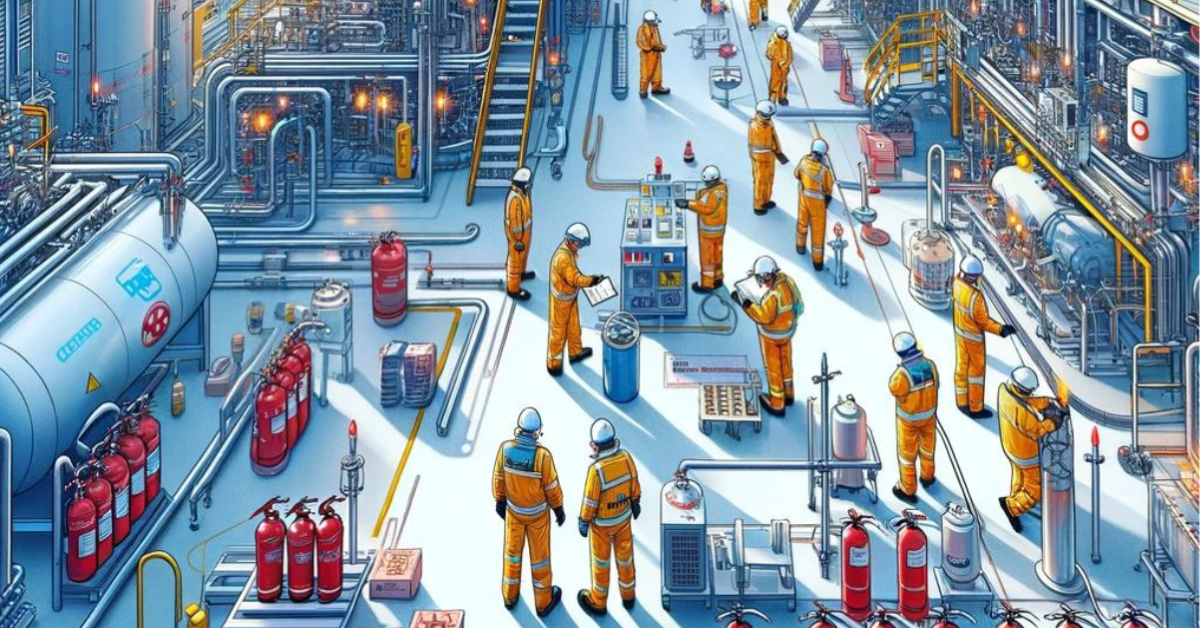
This blog provides a comprehensive guide to best practices and safety protocols for cryogenic production facilities, addressing inherent risks such as explosions and frostbite. It serves as a culture for preventing accidents in this critical area.
Understanding Cryogenic Hazards
Before diving into safety practices, it’s crucial to understand the hazards associated with cryogenic substances. These materials, often gases like nitrogen, oxygen, helium, and argon, liquified at extremely low temperatures, pose several risks, including:
- Asphyxiation: Cryogenic liquids can rapidly vaporize into a gas, displacing oxygen in the air and creating an asphyxiation hazard in confined spaces.
- Frostbite and Cold Burns: Direct contact with cryogenic liquids or their vapors can cause severe cold burns or frostbite, damaging skin and tissues.
- Explosions: If cryogenic liquids are improperly stored or sealed, the expansion of vapors can lead to explosive pressure buildup.
- Oxygen Enrichment: Liquid oxygen can rapidly expand and enrich the surrounding atmosphere, increasing the risk of fire and explosions.
Best Practices for Cryogenic Safety
1. Proper Personal Protective Equipment (PPE)
All personnel handling cryogenic substances should be provided with appropriate PPE, such as insulated gloves, face shields, safety goggles, and aprons, to protect against extreme cold and potential liquid splashes.
2. Comprehensive Training
Employees in cryogenic production areas should receive comprehensive training on cryogenic materials, risks, handling, and emergency procedures, with regular refresher courses mandatory to maintain safety protocols.
3. Ventilation Systems
Adequate ventilation is crucial in areas where cryogenic materials are used or stored. Ventilation prevents the accumulation of gases that could lead to oxygen displacement or explosive atmospheres.
4. Regular Equipment Inspections
Regularly inspect storage containers, piping, and safety valves for signs of wear, damage, or leaks. Cryogenic containers should be designed to safely vent excess pressure and should be checked to ensure these mechanisms are functioning correctly.
5. Safe Storage Practices
Cryogenic liquids should be stored in well-ventilated areas, away from confined spaces. Storage areas should be marked, and only containers designed for cryogenic storage should be used, ensuring they are correctly labeled with the contents and associated hazards.
6. Emergency Preparedness
Facilities must have clear, well-practiced emergency procedures in place, including the immediate steps to take in the event of a spill, leak, or other accident. Emergency response equipment, such as eyewash stations and safety showers, should be easily accessible.
7. Leak Detection Systems
Install and maintain leak detection systems capable of identifying the release of cryogenic substances. Early detection can be critical to preventing asphyxiation or explosion hazards.
Creating a Culture of Safety
Cultivating a culture of safety in cryogenic production facilities involves open communication, continuous improvement of protocols, and fostering a sense of responsibility among employees.
Conclusion
Cryogenic production facilities prioritize safety through meticulous attention, rigorous training, and proactive hazard mitigation. By implementing these best practices, they can safeguard employees, operations, and the community from the unique risks posed by cryogenic materials, ensuring the continued service of industries and innovations worldwide.
#CryogenicSafety #SafetyFirst #IndustrialSafety #CryogenicProduction #SafetyProtocols #PPE #EmergencyPreparedness #HazardPrevention #SafetyTraining #SafeHandling