Introduction
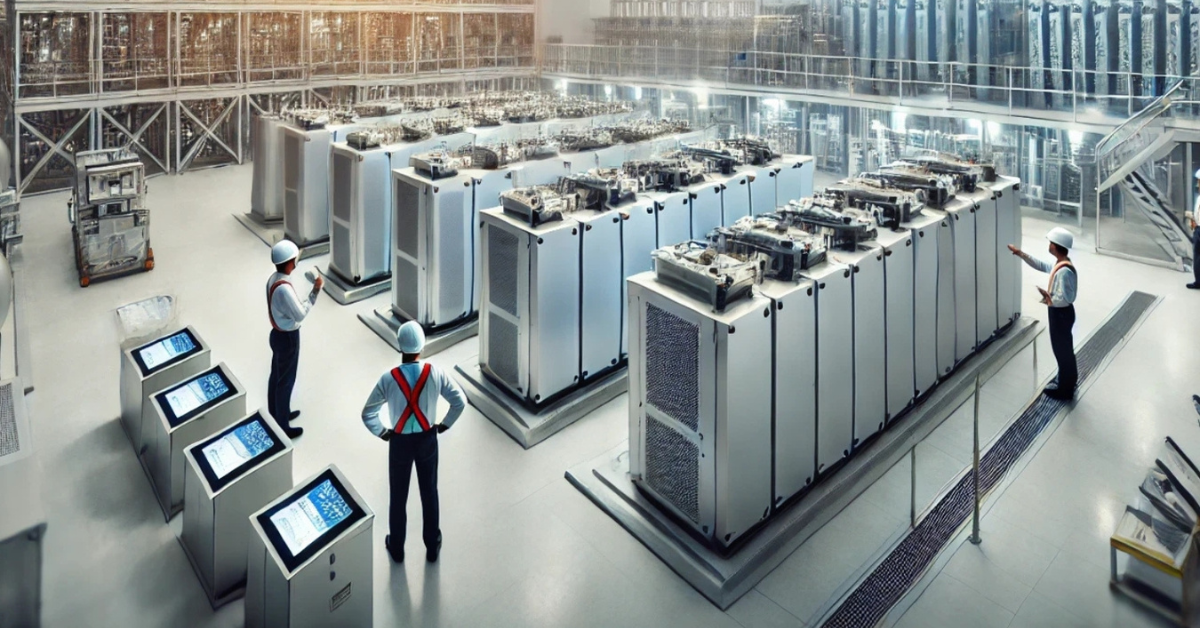
As the world shifts toward more sustainable energy sources, energy storage systems (ESS) have become crucial to modern power plants. These systems allow power plants to store excess energy generated during periods of low demand and release it when demand is high, ensuring a consistent and reliable energy supply. With the increasing reliance on renewable energy sources like wind and solar, energy storage is key to overcoming the intermittent nature of these power sources. Here’s how energy storage systems transform the energy landscape and their pivotal role in modern power plants.
1. What Are Energy Storage Systems (ESS)?
Energy Storage Systems (ESS) are technologies that store energy for later use. These systems come in various forms, including batteries, pumped hydro storage, and compressed air energy storage. The stored energy can then be dispatched to the grid when required, ensuring that the energy supply matches demand, even when renewable sources are not generating power.
In a power plant, ESS stores excess energy produced during off-peak hours (when demand is low) and releases it during peak times (when demand is high). This helps to balance supply and demand, preventing energy shortages or surpluses.
2. Balancing Intermittent Renewable Energy
One of the biggest challenges with renewable energy sources such as solar and wind is their intermittency. Solar power is only generated when the sun shines, and wind power only when the wind blows. This makes it difficult to predict and match the energy supply with the demand in real-time.
Energy storage systems help resolve this issue by capturing excess energy when renewable sources produce more than needed and storing it for later use. This ensures the grid has a constant energy supply, even when weather conditions are unfavorable for renewable generation. In essence, ESS helps smooth out the fluctuations in renewable energy production, allowing power plants to operate more reliably and efficiently.
3. Enhancing Grid Stability and Reliability
Energy storage systems help manage supply and demand and play a critical role in grid stability. When there are sudden fluctuations in demand or supply, such as during power outages or rapid shifts in renewable generation, ESS can act as a buffer, quickly supplying stored energy to stabilize the grid.
In addition, ESS can provide ancillary services, such as frequency regulation and voltage control, ensuring that the grid remains balanced and reliable. By providing these services, energy storage systems help maintain grid resilience, particularly in regions with high levels of renewable energy integration.
4. Increasing Energy Efficiency
Modern power plants constantly seek ways to improve efficiency and reduce waste. ESS allows power plants to maximize their available energy resources by strategically storing and dispatching energy. This reduces the need for inefficient peaking power plants, which are typically used to meet high demand periods but are often less efficient and more costly to operate.
ESS contributes to a more sustainable and cost-effective energy system by reducing reliance on these fossil fuel-dependent plants. Power plants can operate with fewer fluctuations in supply and demand, increasing their overall efficiency.
5. Supporting Decarbonization Efforts
As the world moves toward reducing carbon emissions, ESS plays a crucial role in decarbonizing the energy sector. By storing energy from low-carbon renewable sources and releasing it when needed, ESS minimizes the reliance on fossil fuel-based power generation. This supports global efforts to combat climate change by enabling a cleaner and more sustainable energy system.
Conclusion
Energy storage systems (ESS) are becoming indispensable in modern power plants. They help manage the challenges of renewable energy integration, grid stability, and efficiency. As the energy landscape continues to evolve, ESS will be at the forefront of creating a more resilient, reliable, and sustainable energy future. By investing in these systems, power plants are positioning themselves to meet the demands of a cleaner, greener tomorrow.
#EnergyStorage #PowerPlants #RenewableEnergy #Sustainability #GridStability #CleanEnergy #EnergyEfficiency #EnergyManagement #Decarbonization #FutureOfEnergy