Introduction
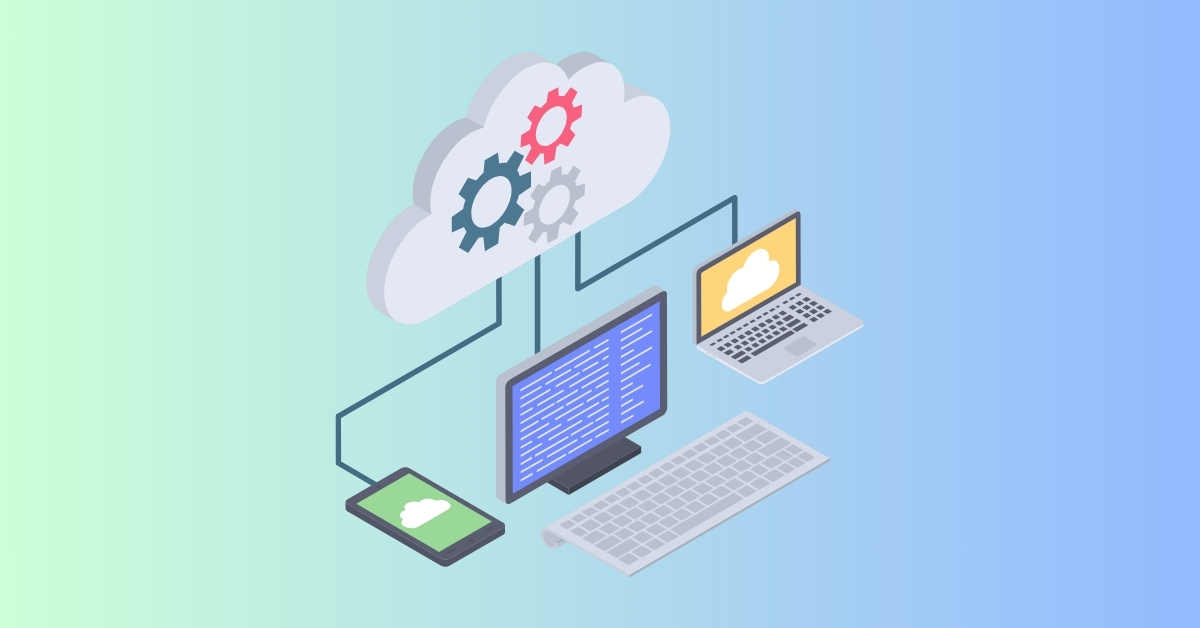
The cloud has transformed how businesses collect, store, and analyze data. With cloud services offering flexibility, scalability, and cost efficiency, data product management has entered a new era, where managing data products requires a strategic approach to leverage cloud capabilities fully. In this new environment, product managers must focus on building scalable, secure, and easily accessible data products. Here’s how data product management is evolving in the cloud era and what product managers should consider to stay ahead.
1. Scalability and Flexibility
One of the most significant advantages of the cloud is its ability to scale. In the past, businesses often struggled with infrastructure limitations when managing large datasets. With cloud platforms like Amazon Web Services (AWS), Google Cloud Platform (GCP), and Microsoft Azure, data product managers can easily scale their data products to handle vast amounts of data without worrying about hardware limitations. Cloud infrastructure allows businesses to adjust resources dynamically, ensuring that their data products can grow with user demands. For product managers, this means focusing less on infrastructure and more on creating features that provide value to users.
2. Data Integration and Interoperability
Cloud-based data products must integrate seamlessly with various data sources and third-party tools to ensure effective data management. Product managers must focus on creating data pipelines that connect disparate sources, ensuring smooth data flow between systems. With the cloud, businesses can access an ecosystem of tools for data ingestion, transformation, and analysis, making it easier to create comprehensive data products that integrate with multiple platforms. As a result, product managers need to be familiar with cloud-native tools and APIs to ensure their products are interoperable and deliver a cohesive user experience.
3. Real-Time Data Processing
In the cloud era, businesses are increasingly relying on real-time data processing for decision-making. With cloud services offering powerful streaming analytics and data processing tools, product managers need to ensure that their data products can deliver insights quickly and efficiently. Cloud platforms enable the processing of large volumes of real-time data from various sources, allowing businesses to stay agile and responsive to market changes. For data product managers, incorporating real-time capabilities into products is no longer optional but essential for maintaining a competitive edge.
4. Cost Optimization
The cloud allows businesses to move away from the significant upfront costs associated with traditional data infrastructure. However, managing costs in the cloud requires careful planning and ongoing monitoring. Product managers must ensure that data products are designed for cost efficiency by leveraging cloud pricing models and optimizing storage and compute resources to minimize expenses. With tools that track usage, data product managers can continuously monitor and adjust resource allocation to keep costs in check while ensuring high performance.
5. Data Security and Compliance
As businesses move to the cloud, data security and compliance become even more critical. Data product managers must work closely with security and legal teams to ensure that data products comply with industry regulations like GDPR or CCPA. Cloud providers often offer robust security features, but it’s the responsibility of product managers to ensure that proper security protocols—such as encryption and access control—are implemented. Additionally, regular audits and monitoring are essential to ensure ongoing compliance.
Conclusion
Data product management in the cloud era presents both exciting opportunities and unique challenges. By leveraging the scalability, flexibility, and real-time capabilities of the cloud, product managers can build data products that are agile, cost-effective, and user-centric. With the proper focus on integration, cost optimization, security, and compliance, data product managers can successfully navigate the cloud landscape and create innovative products that drive business growth.
#DataProductManagement #CloudEra #DataIntegration #Scalability #CloudComputing #RealTimeData #CostOptimization