Introduction
In the rapidly evolving fintech landscape, data is more than just an asset—it’s a revenue driver. As fintech companies continue to collect vast amounts of financial and transactional data, data monetization has become a key focus for growth and profitability. Data Product Managers (DPMs) play an essential role in ensuring that this data is not only collected but also effectively leveraged to generate new revenue streams. From identifying opportunities for data-driven products to developing monetization strategies, DPMs are at the center of transforming raw financial data into tangible business value. Here’s a closer look at how DPMs drive data monetization in the fintech industry.
1. Identifying Opportunities for Data Monetization in Fintech
The first step in data monetization is recognizing the value of data within a fintech organization. DPMs work closely with teams like marketing, sales, customer support, and product development to identify high-value data assets that can be monetized. In fintech, these assets could include transaction histories, customer financial behavior, credit scores, fraud-detection data, and market trends.
DPMs analyze how this data can be packaged, processed, and offered as a product or service—whether as a standalone solution or as part of an enhanced fintech offering. For instance, transaction data can be used to develop financial forecasting models, or customer behavior data can be leveraged for personalized financial services, credit scoring, or risk assessments.
2. Designing Data-Driven Fintech Products
Once potential data monetization opportunities are identified, DPMs are responsible for designing data-driven products that can generate revenue. These products could include analytics platforms, data APIs, financial insights-as-a-service, or credit risk models.
For example, a fintech company could offer a predictive model that uses historical transaction data to forecast a customer’s creditworthiness, or provide dashboards that help small businesses optimize their cash flow and predict future expenses. DPMs ensure these products are designed with customer needs and business goals in mind, delivering value to users while remaining profitable for the fintech business.
3. Creating a Fintech Data Monetization Strategy
A solid data monetization strategy is essential for converting data into revenue in the fintech industry. DPMs play a critical role in crafting this strategy, which involves deciding on the best pricing models, distribution channels, and go-to-market plans for the data product.
Whether it’s selling data directly to financial institutions, offering subscription-based access to real-time financial analytics, or providing premium insights to fintech partners, DPMs define the best approach to maximize value. For instance, a data product could be monetized through a subscription model, in which clients pay for access to detailed market analysis or credit risk reports, or through a freemium model, in which fundamental insights are free but advanced features require payment.
4. Ensuring Data Privacy and Compliance in Fintech
In the fintech sector, data privacy and compliance are critical when monetizing data. Given the sensitive nature of financial data, including personally identifiable information (PII) and transaction records, ensuring compliance with GDPR, CCPA, and other financial regulations is paramount.
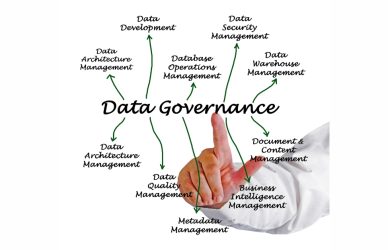
DPMs are responsible for ensuring that data products comply with all legal requirements, protecting user privacy while still enabling the monetization of valuable financial data. By implementing robust data governance practices and creating transparent data usage policies, DPMs help fintech companies avoid legal challenges and build consumer trust. This is particularly important in a highly regulated environment, where failure to comply can result in significant fines and reputational damage.
5. Monitoring and Optimizing Fintech Data Products
Once data products are launched, monitoring performance is an ongoing task for DPMs. In fintech, key metrics include revenue growth, customer adoption, and product usage rates. By continuously tracking these metrics, DPMs can ensure the product remains competitive and valuable.
In addition, gathering user feedback is crucial for improving the product and refining the monetization strategy. For example, if a data product isn’t achieving the desired revenue, DPMs can explore ways to enhance the offering, adjust the pricing model, or expand the product’s features to attract more users. Continuous optimization ensures that fintech data products stay relevant in a competitive market, providing sustained value to both customers and the business.
Conclusion
Data Product Managers play a pivotal role in transforming raw data into a valuable asset for fintech businesses. By identifying data monetization opportunities, designing data-driven products, developing effective monetization strategies, ensuring compliance, and optimizing product performance, DPMs are essential to the success of data monetization efforts. As data continues to drive innovation in the fintech industry, the DPM’s role in maximizing its value will become even more critical for staying competitive and profitable.
#Fintech #DataMonetization #DataProductManagement #RevenueGeneration #DataDriven #FinancialProducts #DataPrivacy #RegulatoryCompliance #AIinFinance #DataAnalytics #FintechInnovation