Introduction
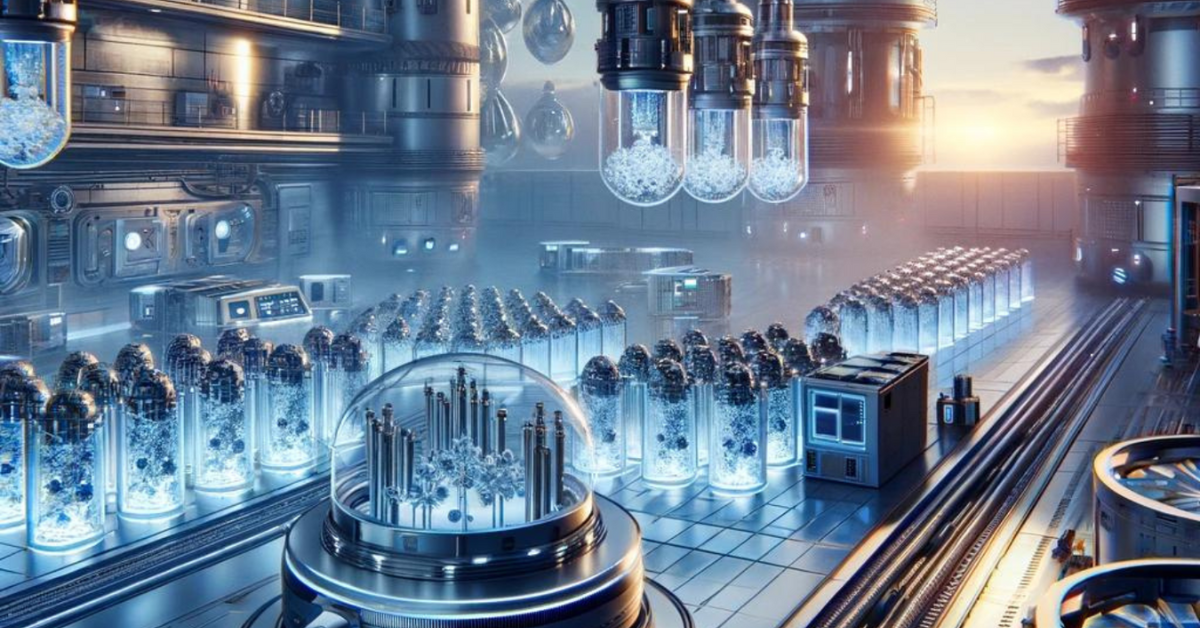
This blog explores the exciting prospects of cryogenic technology, which can reach extremely low temperatures, revolutionizing various aspects of life, including healthcare, computing, energy storage, and space travel.
Breakthroughs in Superconductivity
One of the most anticipated areas of advancement in cryogenics is the development of high-temperature superconductors. Superconductivity at room temperature has been a long-standing goal, with recent discoveries inching ever closer to this reality. Superconductors carry electrical current with zero resistance, promising a future with vastly more efficient power grids, maglev trains that float on air, and even more efficient MRI machines. The implications for energy savings and transmission are profound, potentially revolutionizing how we use and conserve electrical power.
Cryopreservation: Pushing the Boundaries
Cryopreservation has long been a staple of science fiction, but recent innovations are making the preservation of biological materials at cryogenic temperatures more effective and widespread. Breakthroughs in vitrification—a process that prevents ice crystal formation and cellular damage—offer new hope for organ transplantation, fertility treatments, and the long-term preservation of biological samples. This technology has the potential to save millions of lives by making organs available for transplant on demand and preserving endangered species’ genetic material.
Quantum Computing: A Cold Front in Computing
Cryogenics plays a pivotal role in the burgeoning field of quantum computing. Quantum processors operate at temperatures near absolute zero, where quantum bits (qubits) can exist in their superposition state without interference from thermal energy. Recent advancements in cryogenic engineering have made it possible to maintain these temperatures more efficiently, bringing us closer to the realization of quantum computers. These computers promise to solve complex problems beyond the reach of current classical computers, including drug discovery, climate modeling, and encryption.
Aerospace: The Cryogenic Frontier
In aerospace, cryogenic technology fuels the rockets that explore the far reaches of space. Innovations in cryogenic propellants, such as liquid hydrogen and oxygen, have led to more efficient and powerful engines. NASA’s Artemis missions, aimed at returning humans to the Moon and eventually Mars, rely on these advancements. Moreover, cryogenic cooling systems are critical for the instruments aboard telescopes like the James Webb Space Telescope, allowing them to observe the universe’s earliest galaxies without interference from heat.
Cryogenic Energy Storage: A Sustainable Future
One of the most exciting innovations in cryogenic technology is its application in energy storage. Cryogenic energy storage systems use excess electricity to cool air until it liquefies, storing energy in its liquid state. When demand peaks, the liquid air is warmed and expanded, driving turbines to generate electricity. This technology offers a sustainable solution for storing renewable energy, balancing supply and demand, and reducing reliance on fossil fuels.
Wrapping Up: A Colder Future Awaits
Cryogenic technology advancements are transforming the future by unlocking new potentials in energy systems and space exploration. As researchers push the boundaries of ultra-low temperatures, we may soon live in a world transformed by the cold, elevating our capabilities to innovate, preserve, and explore beyond reaching lower temperatures.
#CryogenicInnovation #FutureIsCold #Superconductivity #Cryopreservation #QuantumComputing #SpaceTech #EnergyStorage #SustainableTech #TechRevolution #ColdFrontInTech